
What magic e does
Read kit. Now add an e: kite. The e at the end makes no sound of its own, but it reaches back over the t and changes the i. The short /i/ becomes a long /igh/. Children love the story: the e is a little magician that waves its wand and makes the vowel "say its name".
Teachers often call these *split digraphs*: the two letters that make the vowel sound (i and e) have been split apart by a consonant. In Kutty Phonics they are written a_e, i_e, o_e and u_e, the gap showing where the consonant goes.
The four magic e sounds
| Letters | Sounds like | Words |
|---|---|---|
| a_e | എയ് |  cake (കേക്ക്),  snake (പാമ്പ്),  plane (വിമാനം),  grapes (മുന്തിരി) |
| i_e | ഐ |  kite (പട്ടം),  bike (സൈക്കിൾ),  five (അഞ്ച്),  nine (ഒൻപത്) |
| o_e | ഓ |  rose (റോസാപ്പൂവ്),  nose (മൂക്ക്),  bone (എല്ല്),  globe (ഭൂഗോളം) |
| u_e | യൂ |  cube (ക്യൂബ്), 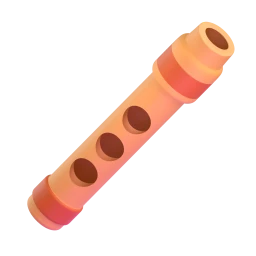 flute (ഓടക്കുഴൽ),  tube (ട്യൂബ്),  unicorn (യൂണികോൺ) |
Word pairs that show the magic
Reading pairs side by side is the clearest way to teach it:
| Short vowel | Add magic e |
|---|---|
| cap | cape |
| tap | tape |
| kit | kite |
| pin | pine |
| hop | hope |
| not | note |
| cub | cube |
| tub | tube |
Cover the e with a finger, read the short word, then lift the finger and read the long one.
Common questions
Why not teach this first?
Magic e only makes sense once a child reads short vowels confidently. If kit is still shaky, kite will be confusing. That is why it comes last in most phonics courses, and in Kutty Phonics, where it closes world 8 (Kathakali).
What about e_e?
It exists (as in these and Pete) but is rare in early reading. Most courses leave it until later.
My child reads "cak-e"
Very common. Remind them the e is silent, then go back to the pair: cap, cape. Some children like to tap the e with a pencil as they "wave the wand" and say the long vowel.
Practice ideas
- Wand game: write short words on cards and a big e on a separate card. Your child "waves" the e next to a word and reads the new one.
- Magic or not? Mix words with and without e: cub, cube, kit, kite. Sort them into two piles.
- Draw both: a cap and a cape, a cub and a cube.
The Fish Sort game in world 8 of Kutty Phonics sorts short a words from magic e words, so your child has to look for the silent e every time.